


PandaVPN: Ultimate Speed, Security, and Seamless Global Connectivity
 Sharon
 2026.11.06
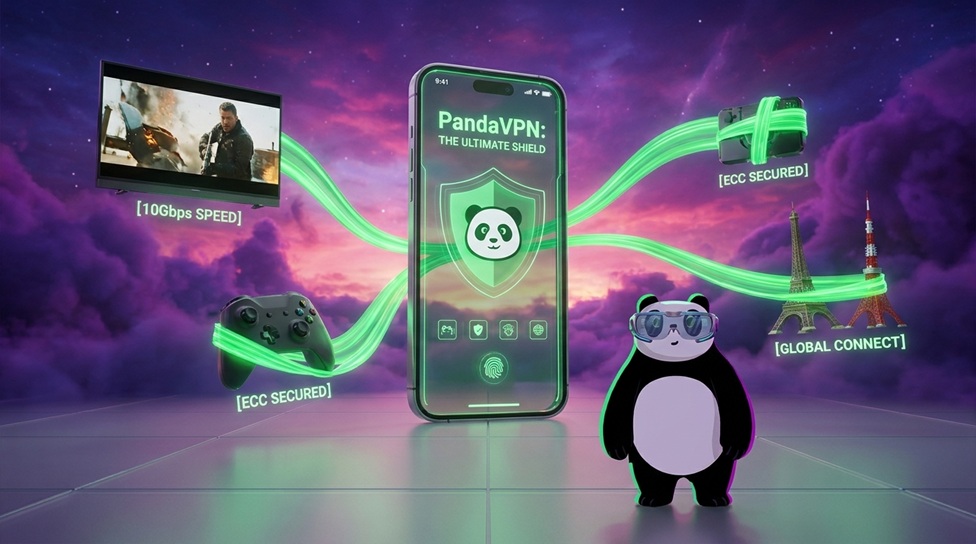
In today’s connected world, a reliable internet connection needs to offer more than just speed. Whether you’re competing in online games, streaming high-definition content, or accessing services across different regions, network stability, privacy, and security all play an important role.
A Virtual Private Network (VPN) can help protect your online activity while providing access to a wider range of global network resources. However, not all VPN solutions are designed with the same priorities. Regular VPNs generally focus on privacy, encryption, and unrestricted internet access, while gaming VPNs and Gaming Private Networks (GPNs) place greater emphasis on reducing latency and optimizing game traffic.
So, which solution is better for your needs? Let’s explore the differences and see how PandaVPN combines high-speed connectivity, network optimization, and online security to support a smoother digital experience.
Core Features and Technical Highlights of PandaVPN
PandaVPN is designed to provide a balance between connection performance, online privacy, and convenient access to global network resources. Its infrastructure and built-in features support a variety of activities, from everyday browsing and HD streaming to online gaming.
Here are some of the key technologies and capabilities that distinguish PandaVPN:
- Patented Acceleration Technology and High-Speed Servers: PandaVPN operates a global network of over 6,000 servers across 232 locations, including high-performance 10Gbps servers and IPLC (International Private Leased Circuit) connections. Combined with patented acceleration technology, these resources help optimize connection routes, reduce unnecessary network delays, and improve performance when accessing overseas services.
- Strict No-Logs Policy: Online privacy is a fundamental part of a secure VPN experience. PandaVPN follows a strict No-Logs policy, designed to protect users’ privacy without recording their browsing history, DNS queries, IP addresses, or connection activity.
- Advanced ECC Encryption: PandaVPN uses Elliptic Curve Cryptography (ECC) and 256-bit encryption technology to help safeguard transmitted data. By encrypting internet traffic, it makes sensitive information more difficult for unauthorized parties to intercept or read, particularly when connecting through public Wi-Fi networks.
- Intelligent Routing and Multiple Protocols: Different network environments can affect VPN performance in different ways. PandaVPN supports multiple connection protocols, including Shadowsocks and WireGuard, helping users adapt to varying network conditions. Its intelligent connection technology is designed to select suitable connection options for a balance of speed, stability, and security.
- Broad Device Compatibility: PandaVPN supports multiple operating systems and devices, including Windows, macOS, iOS, Android, Linux, and Smart TVs. With support for up to 10 simultaneous device connections, users can protect and connect multiple devices under one account, making it convenient for both individual users and households.

Gaming VPN vs. Regular VPN: What Are the Key Differences?
Although regular VPNs and gaming VPNs both use network tunneling technology to route internet traffic through remote servers, their primary objectives are not exactly the same.
A traditional VPN is generally built around online privacy, data encryption, and access to geographically restricted content. A gaming VPN, on the other hand, is primarily concerned with network performance. It attempts to improve the connection between a player’s device and a game server by finding more efficient routing paths.
Gaming Private Networks (GPNs) are another category of network optimization services. Rather than functioning exactly like traditional privacy-focused VPNs, many GPNs concentrate on game traffic and latency management.
Here’s a closer look at how these solutions compare:
| Feature | Regular VPN (e.g., PandaVPN) | Gaming VPN / GPN |
|---|---|---|
| Primary Purpose | Protecting online privacy, encrypting internet traffic, and accessing global content. | Optimizing game connections, reducing routing delays, and improving network stability. |
| Traffic Management | Typically routes and encrypts internet traffic across the operating system, depending on the selected settings. | Often prioritizes game-related traffic or provides optimized routes between players and game servers. |
| Security and Privacy | Uses encryption to help protect data from interception by ISPs, hackers, and other unauthorized parties. | Security capabilities vary. Some services provide encryption, while others focus primarily on traffic optimization. |
| Gaming Performance | Can improve routing in certain network environments, although encryption and longer server routes may introduce additional latency. | Specifically designed to optimize gaming routes and reduce unnecessary network delays where possible. |
| Additional Applications | Supports private browsing, secure public Wi-Fi connections, international streaming, and access to global websites. | Primarily targets online gaming performance, with additional features depending on the provider. |
| IP Address Protection | Masks the user’s real IP address by routing traffic through a VPN server. | Some services also mask players’ real IP addresses, potentially reducing direct exposure to other players. |
Summary: Which One Should You Choose?
The right solution depends on what matters most to you.
- Choose a Regular VPN for All-Round Privacy and Connectivity: If you want more than just lower gaming latency, a traditional VPN such as PandaVPN offers a broader range of benefits. It encrypts internet traffic, helps protect your online privacy, and provides access to global server locations. Its high-speed infrastructure, including 10Gbps servers and IPLC connections, also makes it a practical option for gaming, HD streaming, and everyday internet activities.
- Consider a Gaming VPN or GPN for Specialized Game Routing: If your primary concern is high ping, unstable connections, or inefficient routes to overseas game servers, a dedicated gaming network may be worth considering. These services focus on optimizing game traffic and can help reduce latency in certain network environments. However, their privacy and encryption capabilities depend on the specific provider.
Ultimately, a gaming VPN and a regular VPN are not necessarily competing solutions. They address different networking needs, and the best choice depends on your priorities.
For users who want a combination of online privacy, global connectivity, and reliable performance across multiple applications, PandaVPN provides an all-round VPN solution. Rather than focusing exclusively on gaming traffic, it brings together encryption, intelligent routing, and a global high-speed server network to support a more versatile online experience.

Related Posts


Featured Posts